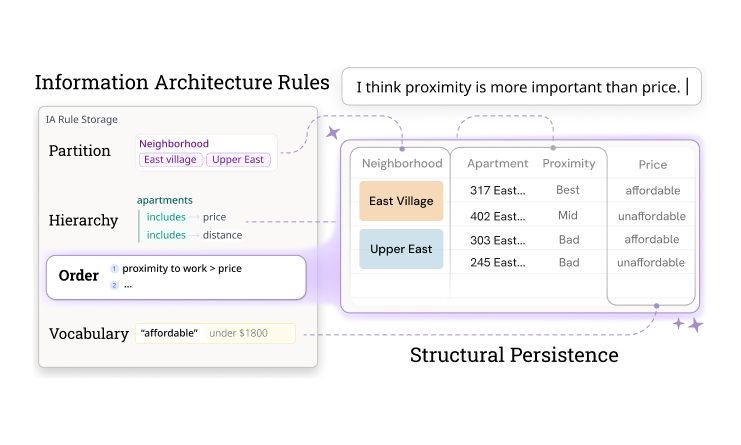
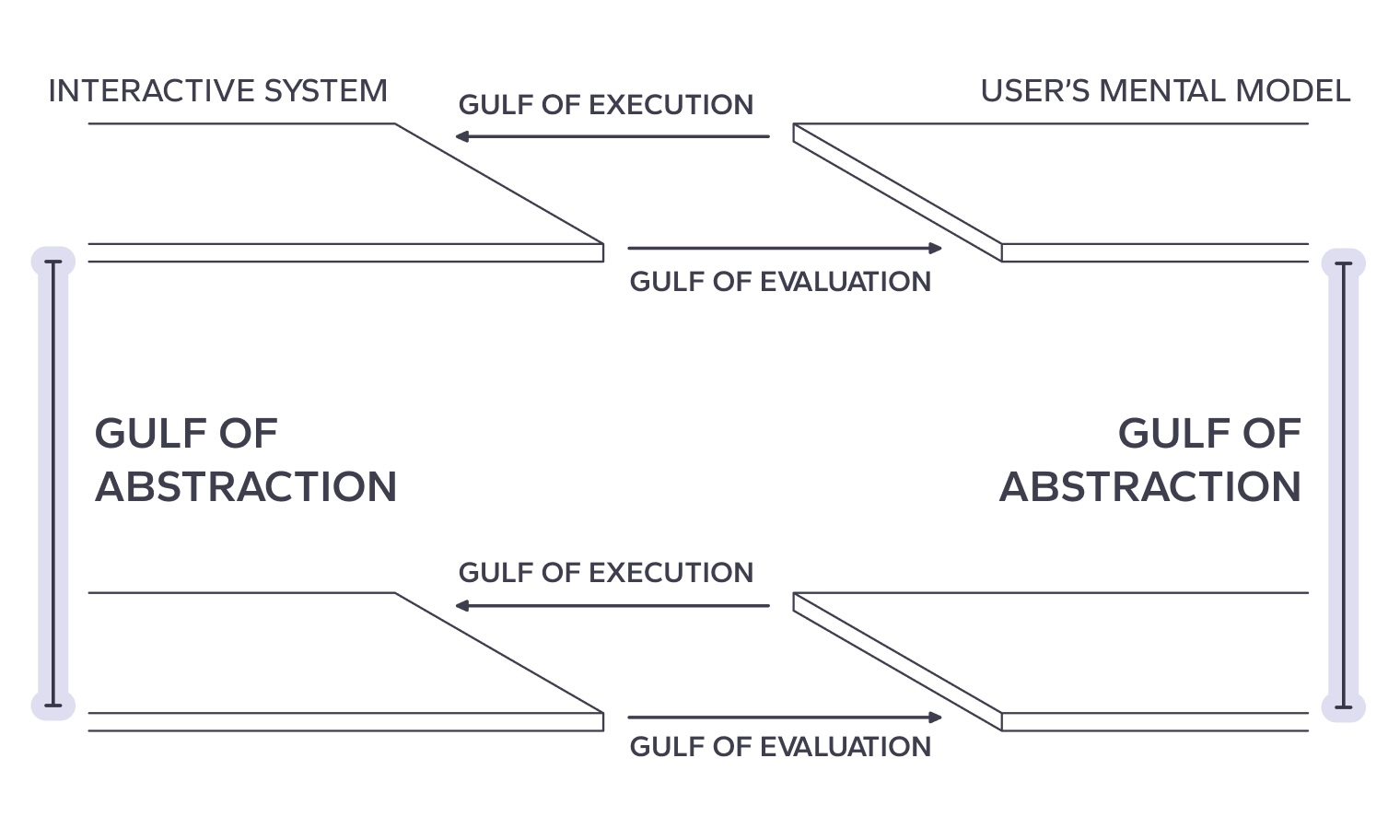
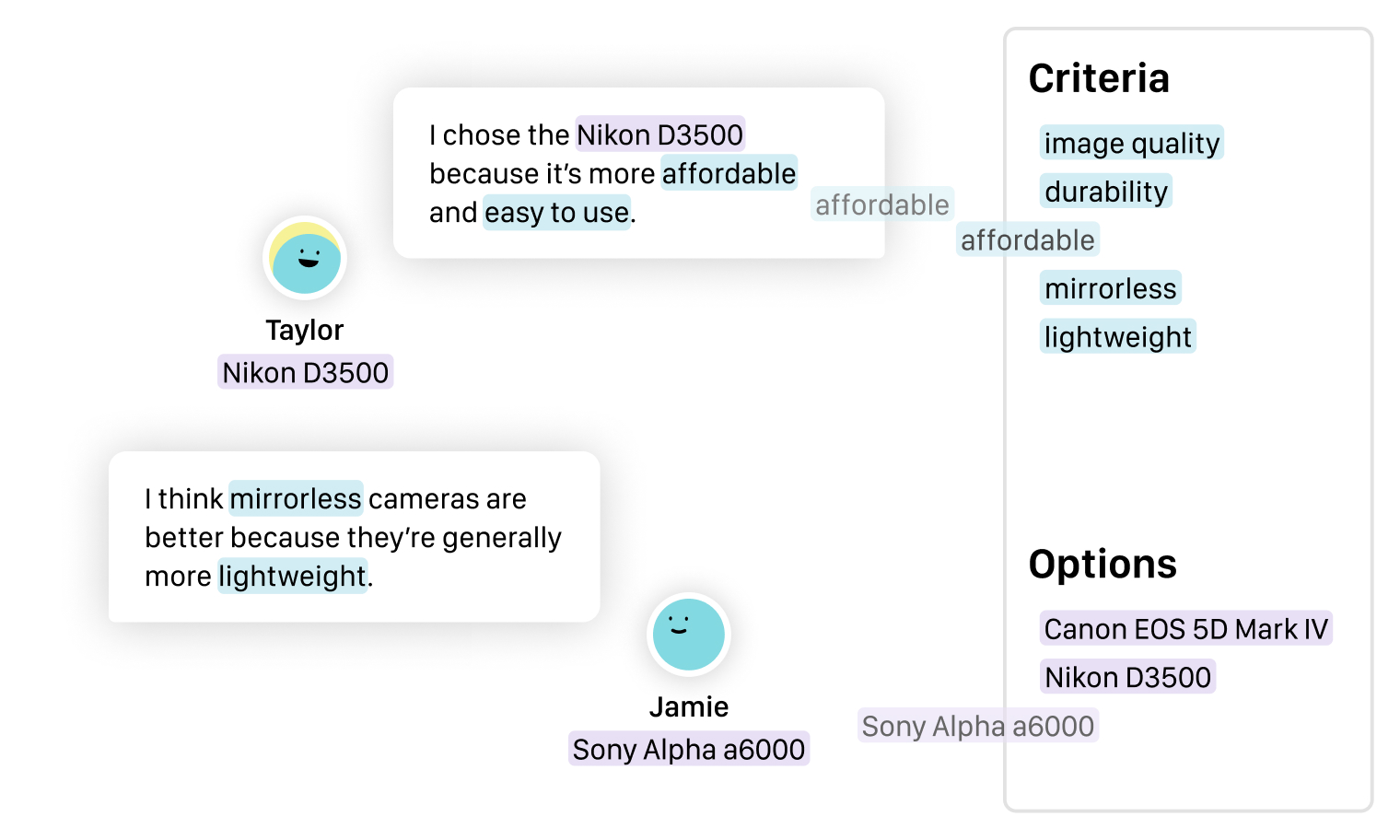
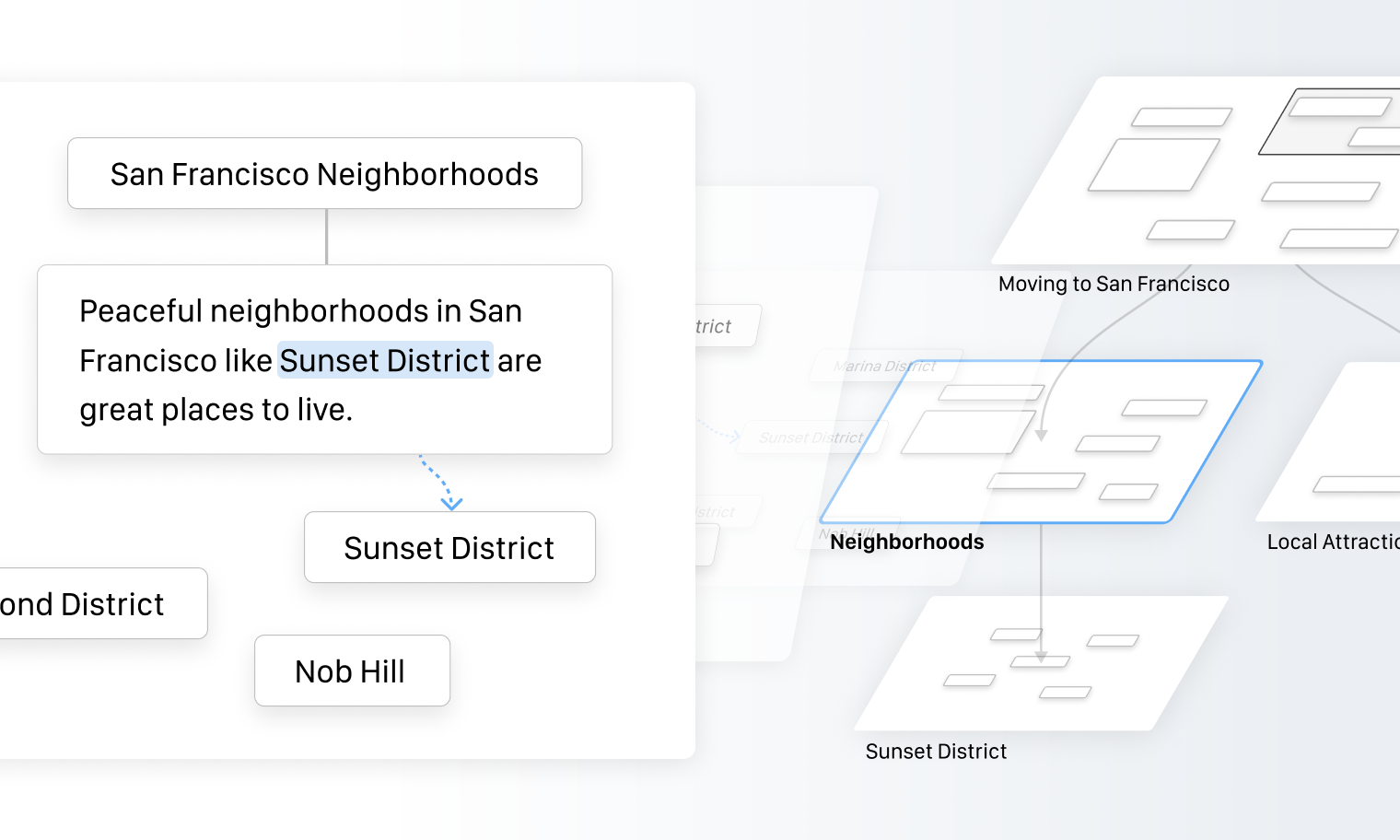
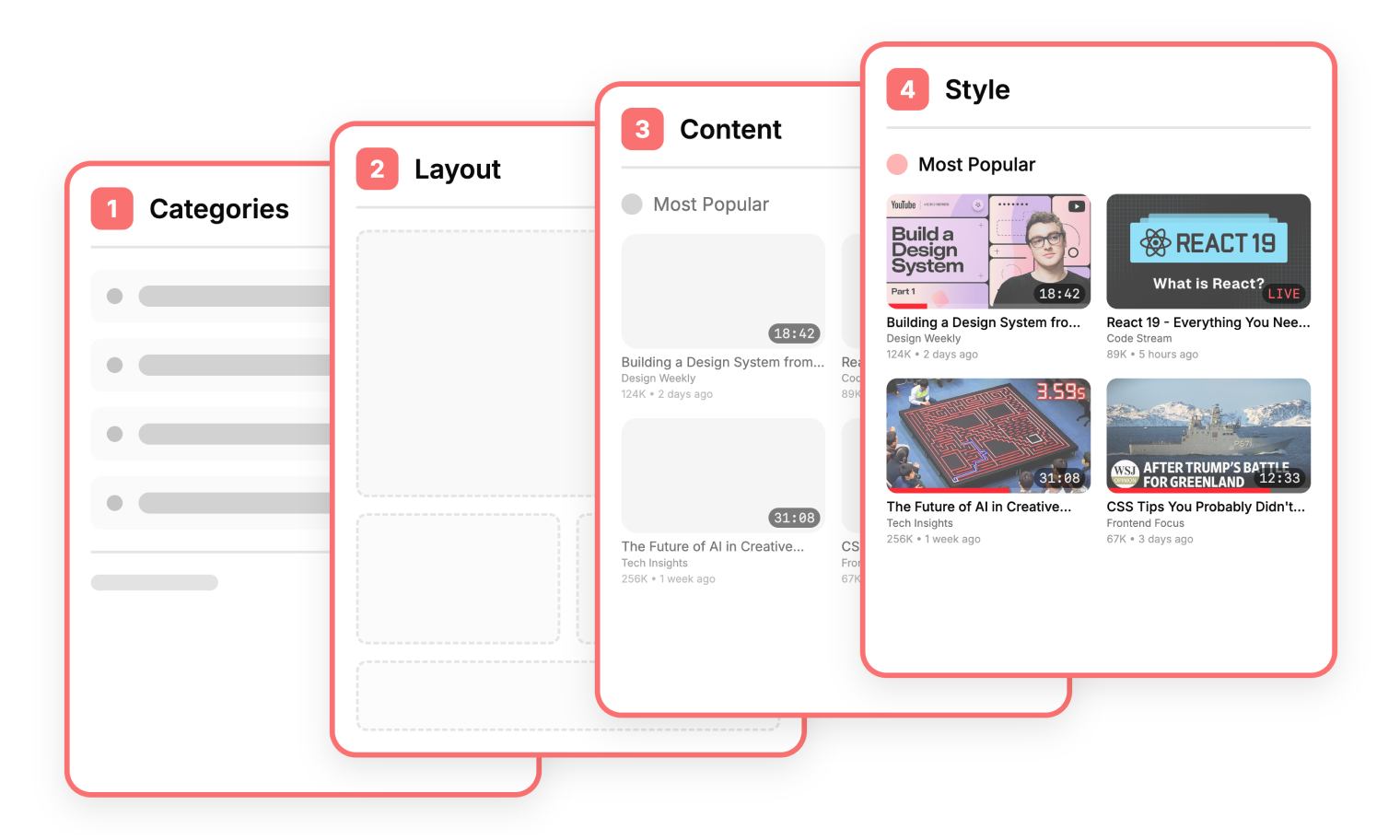
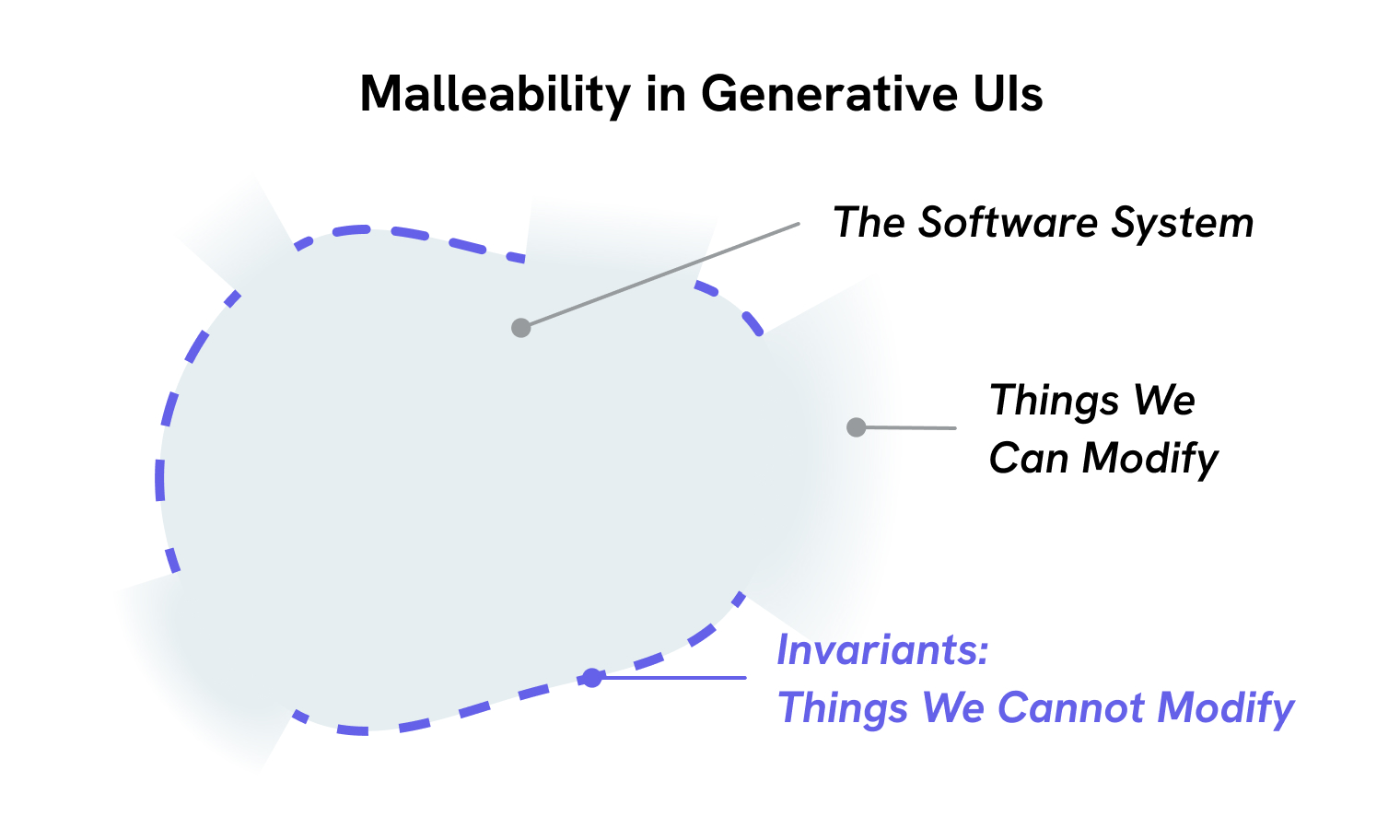
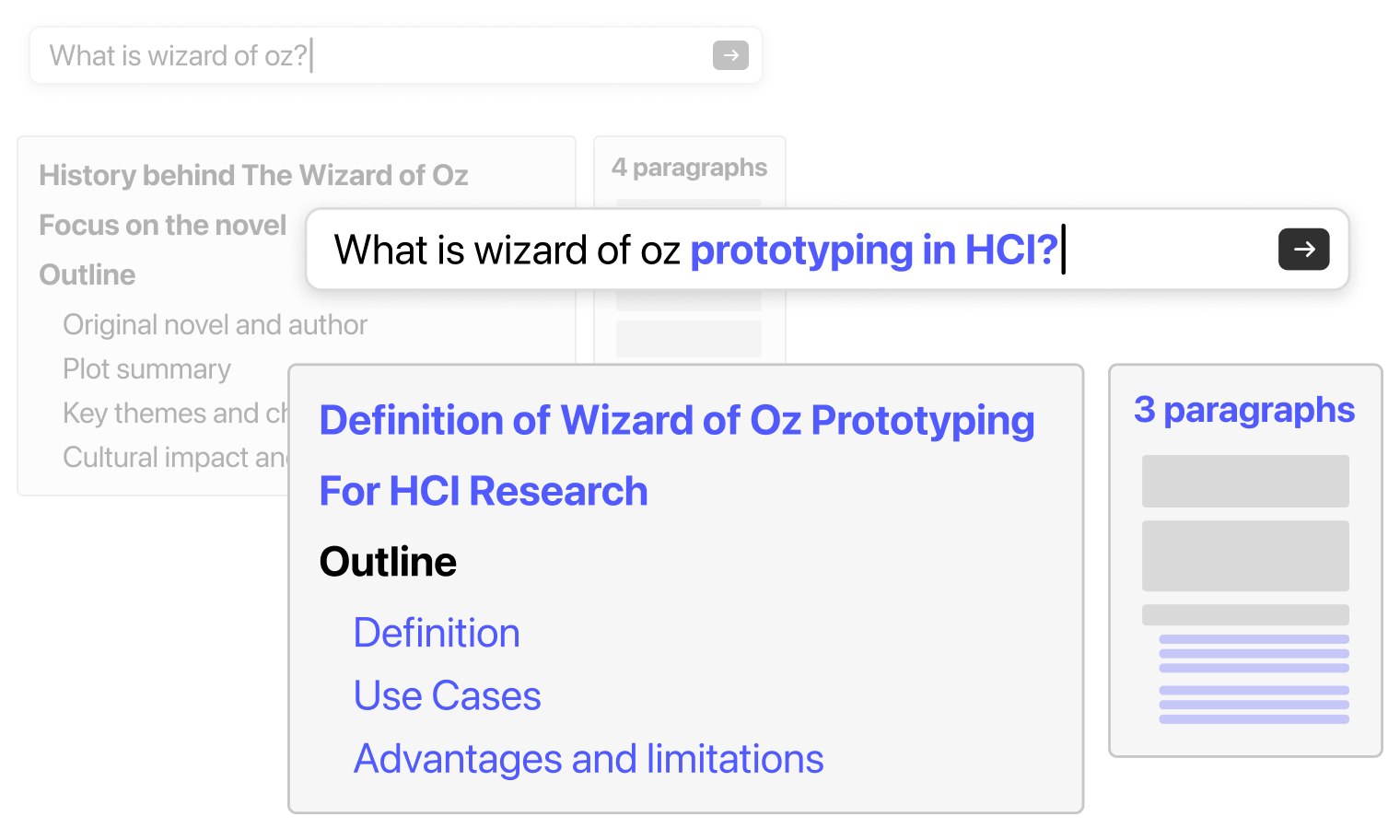
Recently, I've been exploring malleable software under the world of generative user interfaces (GenUI). Generative AI can now automatically build almost anything we envision. Yet, we're still generating the same traditional interfaces we've always had. How must we design generative user interfaces differently compared to the traditional user interfaces we have today? What must GenUI Design look like, as opposed to UI Design?
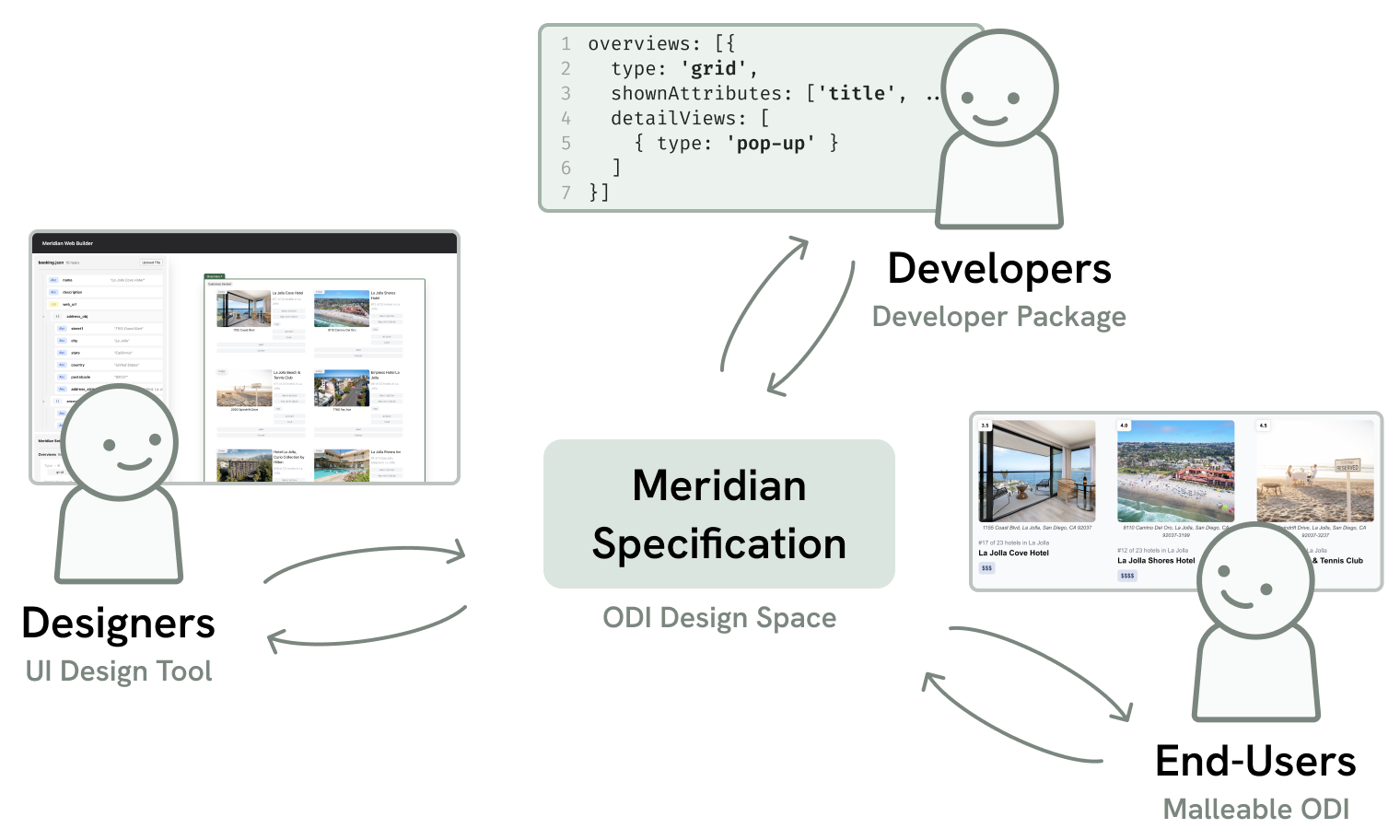
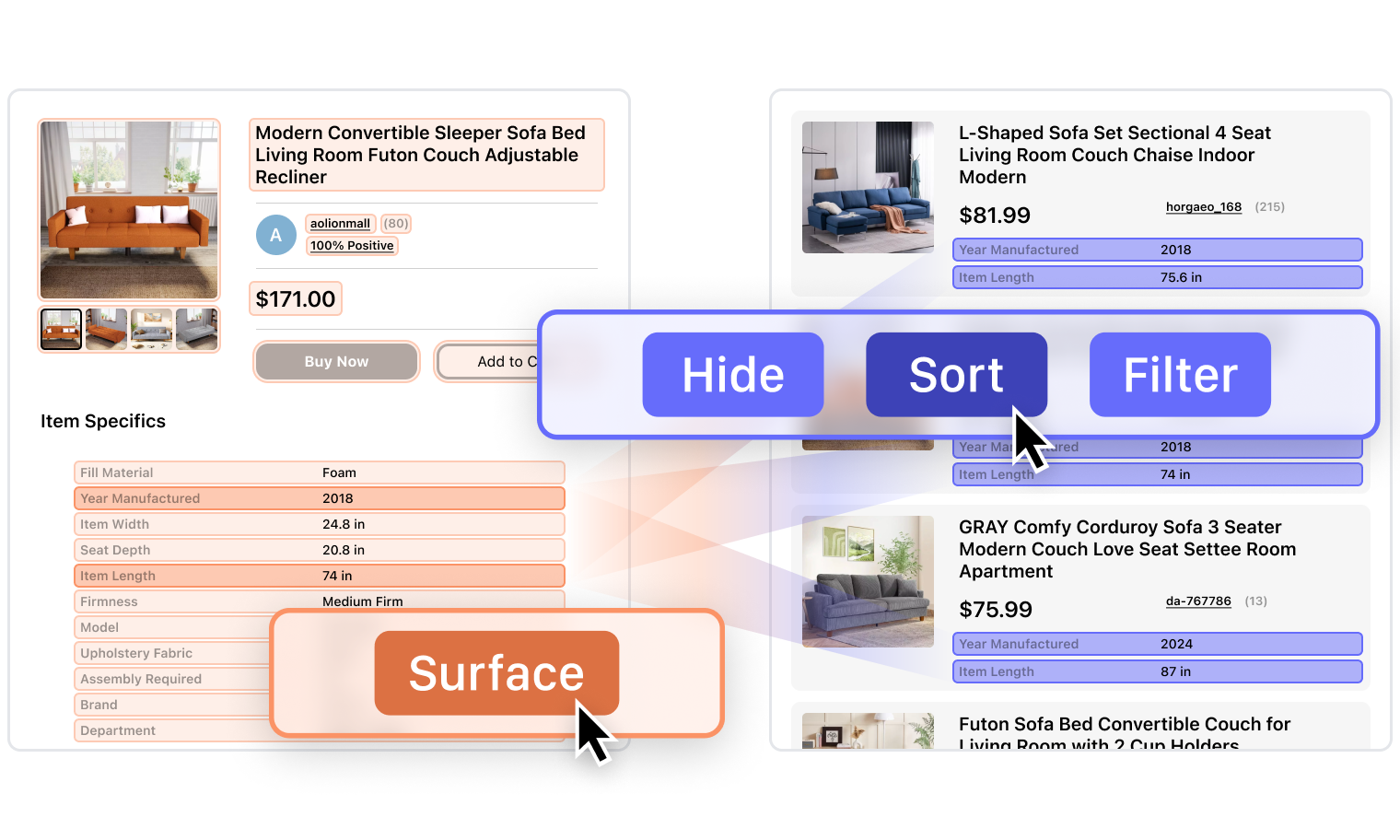
My research centers on malleable software—interfaces that enable users to easily, expressively, and broadly customize their software interface without code or a bloated list of settings. Specifically, I explore how we can bring malleable software to real-world, production-grade software systems, considering the tensions between designers, developers, and end-users. To do so, I study these three user groups, create interaction techniques, develop novel software systems, and create theoretical frameworks for bringing malleable software to more end-users.
My research centers on the question: How can we enable end users to easily customize their interfaces?
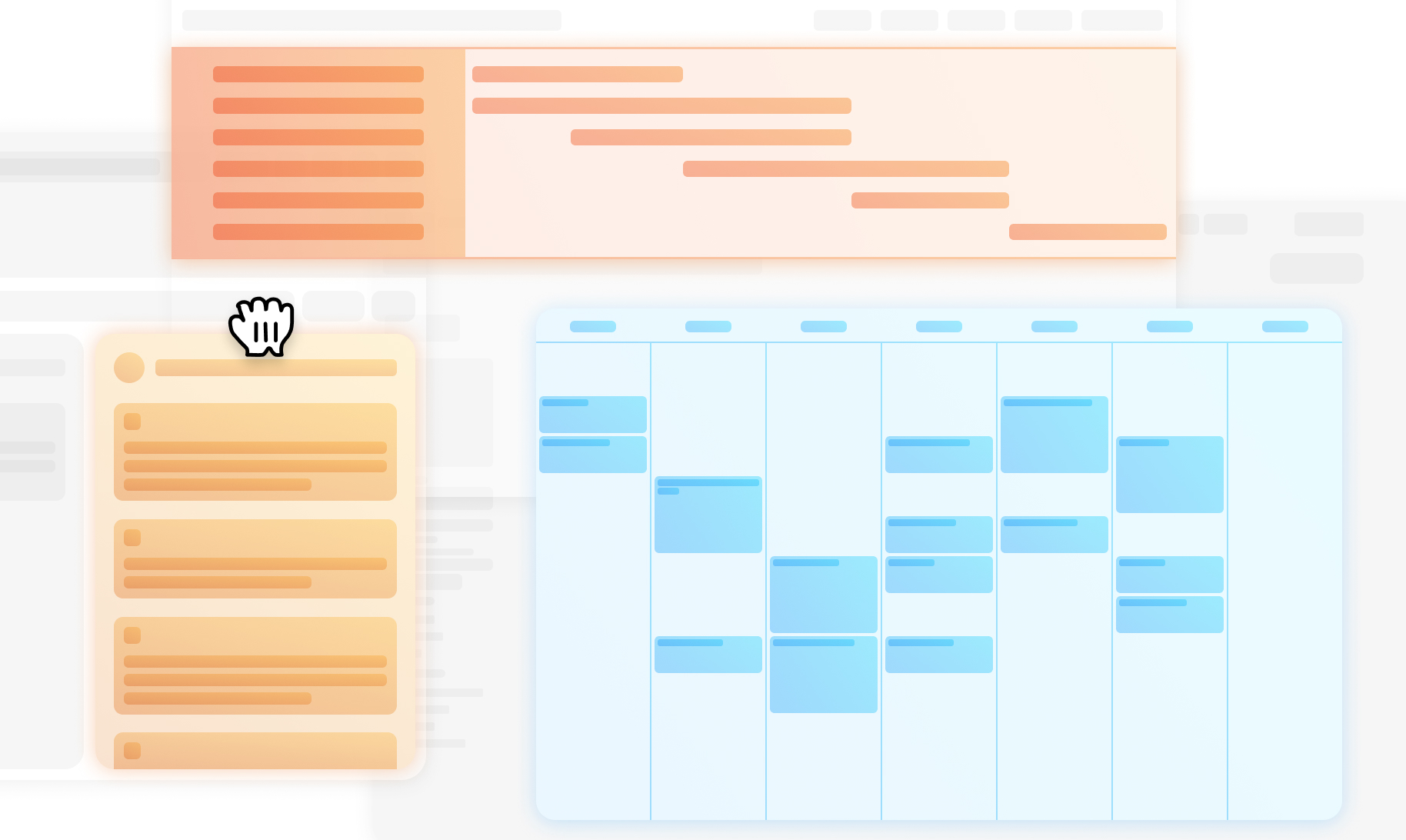
Traditional user interfaces show lists, widgets, text, images, and other forms of media.
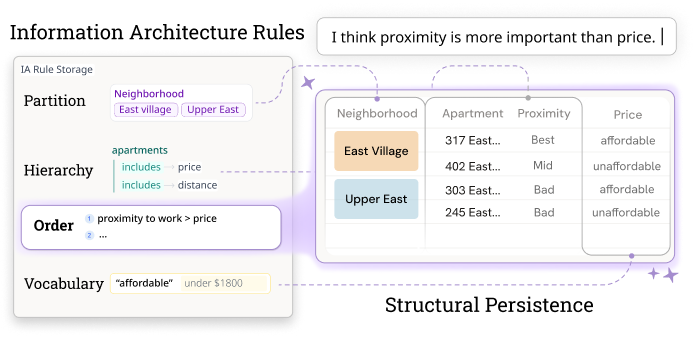
Recently, I've been exploring malleable software under the world of generative user interfaces (GenUI). Generative AI can now automatically build so many kinds of interfaces for us. Traditional user interfaces show lists, widgets, text, images, and other forms of media. Now that generative UI is coming around, we're able to see that it can generate almost anything we envision. Yet, we're still generating the same traditional interfaces we've always had. How must we design generative user interfaces differently compared to the traditional user interfaces we have today?
Research Opportunities
Meridian is now open-source! I'm currently looking for excited developers to join me in growing Meridian. If you're interested, please read the paper and email me!
(Tell me about your background and why you're interested in the project.)
News
Sept 28 - Oct 1I attended UIST 2025 in Busan, South Korea to present Meridian.
I'm currently interning at Ai2 studying how scientists generate their own software interfaces for research.
Research Opportunities
Meridian is now open-source! I'm currently looking for excited developers to join me in growing Meridian. If you're interested, please read the paper and email me!
(Tell me about your background and why you're interested in the project.)